UthillsUttarakhand Travel
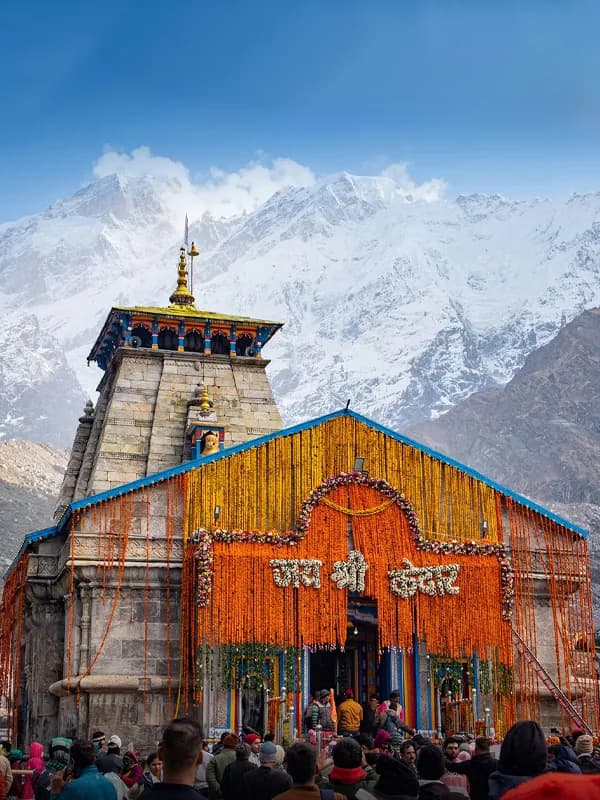
Kedarnath Temple with snow-covered Himalayan peaks in the background
Pilgrimage Guide12 min read

Kedarnath Travel Guide 2026: Best Time, Registration, Route, Trek, and Stay Planning

Plan a more confident Kedarnath Yatra with the right season, registration steps, road route, trek context, halt strategy, and practical planning notes before you go.

Uthills Editorial · 8 August 2026
Why is Kedarnath one of Uttarakhand's most important pilgrimage journeys?

Kedarnath matters because it combines deep spiritual significance with one of the most distinctive mountain pilgrimage settings in India. It is one of the Char Dham temples of Uttarakhand and one of the twelve Jyotirlingas associated with Lord Shiva, which makes it meaningful both for first-time yatris and for repeat spiritual travelers.

The trip also feels different from a simple temple visit because the last stretch is shaped by altitude, weather windows, route control, and the final approach beyond Gaurikund. That is why Kedarnath needs better planning than a standard weekend hill trip.

  • Major Shiva pilgrimage destination in the Himalayas
  • Part of Uttarakhand's Char Dham Yatra
  • High-altitude setting with a weather-sensitive access window
  • Requires route planning, fitness awareness, and realistic pacing

What is the best time to visit Kedarnath?

For most travelers, the best time to visit Kedarnath is May to June and then again in September to October. The temple opens seasonally, and these periods are generally better for road access, darshan planning, and overall route confidence than the heavier monsoon window.

July and August can still be part of the temple season, but they bring higher rain risk, possible landslide sensitivity, and more uncertainty in mountain travel. Winter is not the normal visit window for the temple at Kedarnath itself because the shrine closes for the season.

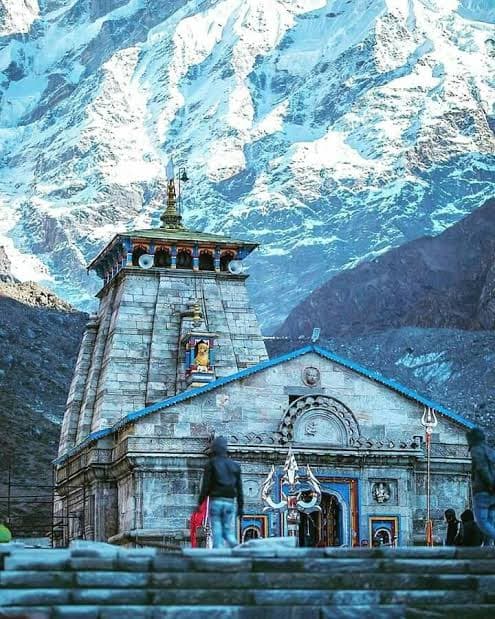
Stone front view of Kedarnath Temple framed by icy mountain walls
The temple setting changes dramatically by season, but every Kedarnath plan is still shaped by altitude, weather, route control, and the final climb from Gaurikund.
  • May to June: strong yatra demand, open temple season, and classic pilgrimage timing
  • July to August: greener mountains but more rain and route uncertainty
  • September to October: cleaner weather windows and a more controlled planning feel
  • Winter: do not treat Kedarnath as a regular year-round road trip destination

Do you need registration before Kedarnath Yatra?

Yes, travelers should check and complete the official Yatra registration process before departure. Uttarakhand's tourist care and registration system is the right place to verify current requirements, travel records, and any operational instructions linked to the season.

This is not a trip to leave until the last minute. During peak pilgrimage periods, transport, stays, and movement windows can tighten quickly, so it is better to complete the planning basics before you start the road journey.

  • Check the official Uttarakhand Yatra registration portal before travel
  • Verify whether any seasonal instructions or route controls have changed
  • Keep ID, travel timing, and stay planning aligned in advance
  • Do not rely on unofficial travel assumptions from old social posts or random videos

How do you reach Kedarnath from Delhi or other major cities?

Kedarnath is usually reached in stages. Most travelers move by road toward Rudraprayag district, continue to Sonprayag, and then head onward toward Gaurikund for the final pilgrimage approach. For many north Indian travelers, this is a multi-day route rather than a single clean transfer.

The nearest airport for most plans is Jolly Grant near Dehradun, while Rishikesh remains an important rail gateway in official route references. In practice, many travelers also compare Haridwar and Dehradun as road-linked bases depending on their arrival style.

  • By air: Jolly Grant Airport is the main practical airport for most travelers
  • By train: Rishikesh is the official rail gateway commonly referenced for the route
  • By road: continue through the Garhwal corridor toward Sonprayag and Gaurikund
  • From Delhi: plan the trip as a staged pilgrimage route, not a direct same-day temple transfer

What should you know about the Gaurikund to Kedarnath trek?

The final Kedarnath approach from Gaurikund is one of the most important planning realities of the trip. Official tourism guidance places this route at around 16 km and also points travelers to timing controls for the trek window, so it should be treated as a serious final stretch rather than a casual walk.

Even travelers who are comfortable with mountain trips should prepare for the effort, altitude, and crowd rhythm of the route. A slow and controlled pace is usually a better strategy than trying to rush the final climb.

  • The final approach is roughly 16 km from Gaurikund
  • Start timing matters because the route operates within controlled movement hours
  • Weather, altitude, and crowd levels affect the experience more than many first-timers expect
  • Keep the day's plan conservative instead of overpacking the schedule

Where should you stay for a Kedarnath trip?

The smartest Kedarnath plan is usually built around stages, not one rushed movement. Many travelers use places like Guptkashi, Phata, Sitapur, Sonprayag, or Gaurikund depending on how early they want to start the final approach and how much crowd pressure they expect during the season.

If your focus is a smoother yatra, prioritize route logic over chasing the shortest possible schedule. A well-placed overnight halt often matters more than forcing one extra transfer.

  • Guptkashi works well as a broader route halt
  • Sonprayag and nearby sectors help if you want an earlier start toward Gaurikund
  • Stay strategy should match your arrival day, start time, and comfort level
  • Peak pilgrimage season increases the need for pre-booking and buffer time

Common Kedarnath planning mistakes to avoid

The most common Kedarnath mistake is treating the trip like a regular temple stop with predictable road movement. In reality, Kedarnath planning depends on registration, mountain weather, route pacing, and how well your halts are set up before the final ascent.

Another mistake is building a schedule that leaves no buffer for delays. The better approach is to leave room for crowd pressure, transport variation, and slower movement in the upper route.

  • Starting without confirming registration or current route instructions
  • Underestimating the trek effort and altitude conditions
  • Over-compressing the itinerary with no weather or traffic buffer
  • Choosing halts based only on speed instead of route practicality
  • Assuming monsoon travel behaves like peak-summer travel

What can you pair with Kedarnath in a broader pilgrimage plan?

Kedarnath can be planned as a single-focus yatra or as part of a larger sacred circuit depending on time and energy. Many travelers compare Kedarnath with other Char Dham sectors, while others keep the trip tighter and add only practical or spiritual stops such as Haridwar, Guptkashi, or Triyuginarayan-side planning.

If this is your first Uttarakhand pilgrimage, a more focused plan is often better than trying to stretch the trip across too many high-effort sectors at once.

  • Haridwar as a natural gateway before or after the mountain sector
  • Guptkashi and surrounding halts for pacing the route better
  • Wider Char Dham comparison if you are planning a longer sacred circuit

Frequently asked questions

What is the best time to visit Kedarnath?

For most travelers, May to June and September to October are the strongest Kedarnath planning windows because they align better with the open temple season and steadier travel conditions.

Do I need registration for Kedarnath Yatra?

You should verify and complete the official Uttarakhand Yatra registration process before travel and recheck current instructions for the season.

How long is the Kedarnath trek from Gaurikund?

Official tourism guidance places the final Kedarnath approach from Gaurikund at around 16 km, so it should be planned as a serious uphill pilgrimage stretch.

Can Kedarnath be done in 2 days from Delhi?

A rushed 2-day plan from Delhi is usually not the best approach. Most travelers are better served by a staged 4 to 6 day plan with realistic halts and route buffers.

Where should I stay before the Kedarnath trek?

Many travelers compare Guptkashi, Sonprayag, and nearby route halts depending on their arrival time, comfort preference, and desired start for the final approach.

Kedarnath gallery

Front-facing view of Kedarnath Temple below towering snowy mountains
A classic temple-front arrival view that reflects the scale of the surrounding Himalayan amphitheatre.
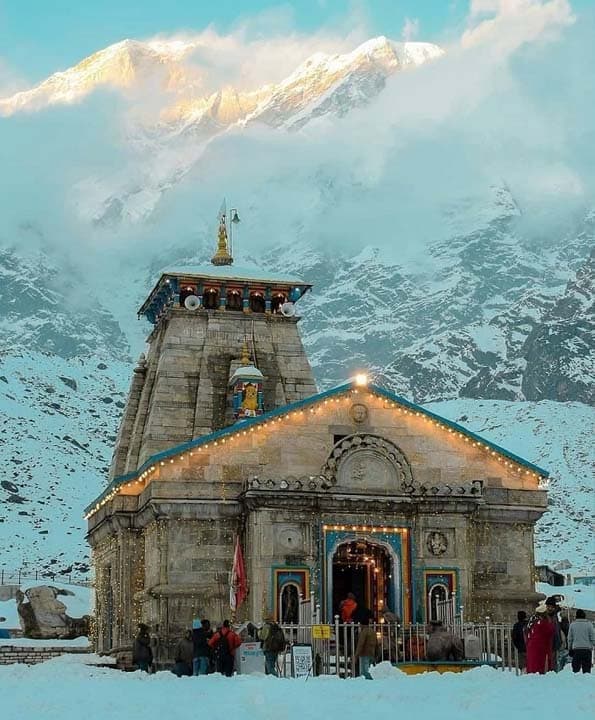
Kedarnath Temple lit softly in a snow-covered setting during cold season conditions
Snow season visuals are striking, but they also remind travelers that timing, cold, and access windows matter.
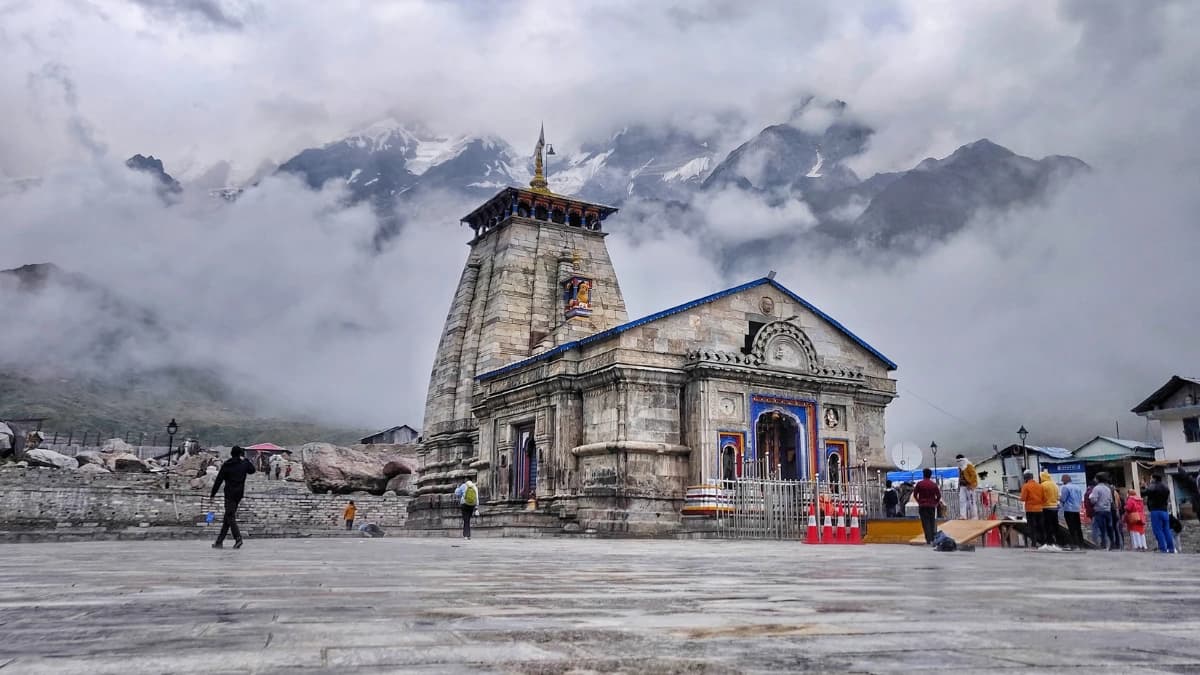
Kedarnath Temple under low cloud cover and mist after mountain weather shift
Cloud, rain, and shifting visibility are part of why buffer time is so important in Kedarnath planning.

Continue planning with Uthills